
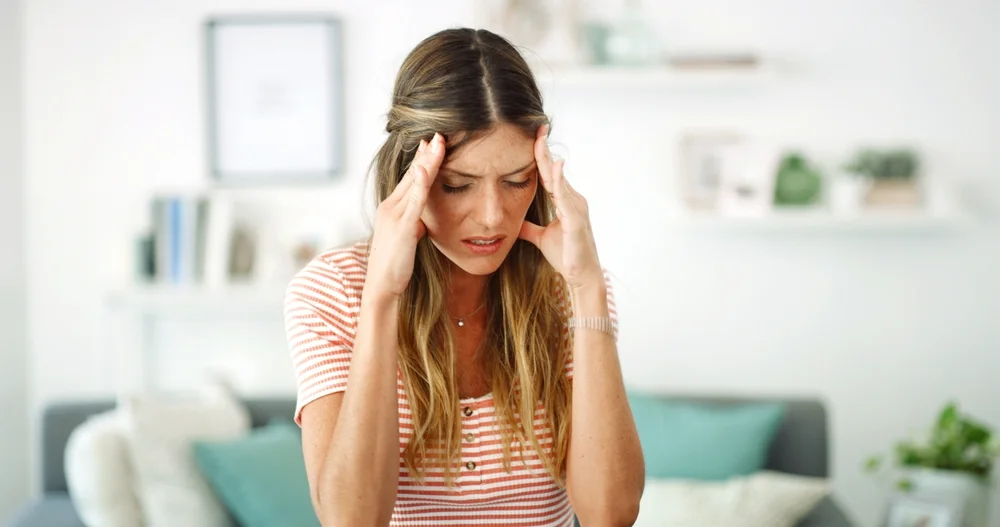
Anxiety can feel overwhelming, but with the right strategies, you can regain control and find peace. At Restoration in the Pines Counseling Group in Lufkin, TX, we’re here to help you navigate life’s challenges with practical tools and compassionate care. Here are five actionable tips to help you manage anxiety in your everyday life and improve your emotional well-being.
What Is Anxiety and How Does It Affect Daily Life?
Anxiety is a natural response to stress, but when it becomes persistent or overwhelming, it can interfere with your daily functioning. Whether it shows up at work, in your relationships, or during quiet moments, anxiety can impact how you think, feel, and behave.
Common Symptoms of Anxiety
Anxiety can show up in different ways, including:
- Physical Symptoms: Racing heart, sweating, muscle tension, headaches, or digestive issues.
- Emotional Symptoms: Constant worry, fear, or a sense of impending doom.
- Cognitive Symptoms: Difficulty concentrating, racing thoughts, or overthinking.
- Behavioral Symptoms: Avoiding situations or tasks that trigger anxiety.
How Anxiety Impacts Your Mind and Body
Chronic anxiety can disrupt your ability to focus, sleep, and maintain healthy relationships. Over time, it may lead to physical health issues such as fatigue, weakened immunity, and high blood pressure — reinforcing the importance of early and proactive care.
Mindfulness and breathing exercises are powerful tools for calming your mind and reducing anxiety.
Mindfulness involves paying attention to the present moment without judgment. This practice helps redirect your mind from worries about the future or regrets about the past — both of which fuel anxious thinking.
Tip 1: Practice Mindfulness and Deep Breathing

How Mindfulness Reduces Anxiety
Mindfulness and breathing exercises are powerful tools for calming your mind and reducing anxiety.
Mindfulness involves paying attention to the present moment without judgment. This practice helps redirect your mind from worries about the future or regrets about the past — both of which fuel anxious thinking.
Simple Breathing Exercises to Try
- 4-7-8 Breathing: Inhale for 4 seconds, hold your breath for 7 seconds, and exhale slowly for 8 seconds. Repeat this cycle 4-5 times to calm your nervous system.
- Diaphragmatic Breathing: Place one hand on your chest and the other on your belly. Breathe deeply into your belly, allowing it to expand as you inhale and contract as you exhale.
Pro Tip: Practice these exercises daily or during moments of heightened anxiety to feel more grounded.
Tip 2: Create a Daily Routine

A structured routine can provide stability and reduce feelings of overwhelm.
The Importance of Structure in Reducing Stress
When you have a predictable schedule, it’s easier to manage your time and energy. This reduces decision fatigue and helps you feel more in control of your day, creating a sense of calm and direction.
How to Build a Routine That Works for You
- Prioritize Tasks: Identify your top 3 priorities for the day and focus on completing them first.
- Incorporate Self-Care: Set aside time for activities that recharge you, such as reading, exercising, or meditating.
- Stick to Consistent Sleep and Meal Times: A regular sleep schedule and balanced meals can improve your mood and energy levels.
Pro Tip: Use a planner or digital calendar to organize your day and set reminders for important tasks.
Tip 3: Limit Caffeine and Sugar Intake

What you eat and drink can have a significant impact on your anxiety levels.
How Diet Affects Anxiety Levels
Caffeine and sugar are stimulants that can spike your energy—and your anxiety. They may increase your heart rate and make you feel jittery or restless. Reducing your intake can help you feel calmer and more emotionally steady.
Healthy Alternatives to Boost Energy Without Anxiety
- Herbal Teas: Chamomile, peppermint, or green tea can provide a soothing energy boost.
- Protein-Rich Snacks: Nuts, seeds, yogurt, or hard-boiled eggs can keep your energy steady throughout the day.
- Complex Carbohydrates: Foods like oatmeal, whole-grain bread, and sweet potatoes stabilize blood sugar levels and support mood balance.
Pro Tip: Stay hydrated by drinking plenty of water throughout the day. Dehydration can exacerbate feelings of anxiety.
Tip 4: Stay Active with Regular Exercise

Physical activity is one of the most effective ways to reduce anxiety and improve your overall well-being.
The Connection Between Physical Activity and Mental Health
Exercise triggers the release of endorphins—your brain’s natural feel-good chemicals. It also reduces levels of the stress hormone cortisol, which can help you feel more relaxed and better able to cope with life’s demands.
Easy Ways to Incorporate Movement Into Your Day
- Take Short Walks: A 10-minute walk during your lunch break can do wonders for your mood.
- Try Yoga or Stretching: These activities combine movement with mindfulness, making them especially effective for reducing anxiety.
- Join a Fitness Class: Group activities can provide both physical and social benefits.
Pro Tip: Find an activity you enjoy to make exercise feel less like a chore and more like self-care.
Tip 5: Seek Support When You Need It

You don’t have to face anxiety alone. Professional support can make a significant difference in managing your symptoms.
The Benefits of Talking to a Therapist
Therapists provide a safe, nonjudgmental space to explore your feelings and develop coping strategies. They can help you:
- Identify triggers and patterns contributing to your anxiety
- Learn practical tools to manage stress and overwhelming emotions
- Build resilience and confidence in navigating life’s challenges
How to Find the Right Counseling Services
At Restoration in the Pines Counseling Group in Lufkin, TX, our licensed therapists specialize in anxiety treatment. We offer personalized care tailored to your unique needs, whether you prefer in-person or telehealth sessions.
Pro Tip: Don’t wait until anxiety feels unmanageable—seeking help early can lead to better outcomes.
Final Thoughts on Managing Anxiety
Managing anxiety is a journey, but with these tips, you can take meaningful steps toward a calmer, more balanced life. Remember, small changes can lead to big improvements over time.
If you’re ready to take the next step, the team at Restoration in the Pines Counseling Group is here to support you. Contact us today to schedule an appointment and start your journey toward emotional wellnes